Supercomputers have become central to the U.S.-China technological Cold War because the country with the faster supercomputers can also hold an advantage in developing nuclear weapons and other military technology. “If the other guy can use a supercomputer to simulate and develop a fighter jet or weapon 20% or even 1% better than yours in terms of range, speed and accuracy, it’s going to target you first, and then it’s checkmate,” said Jimmy Goodrich, a senior adviser for technology analysis at Rand, a think tank. The forum that China recently stopped participating in is called the Top500, which ranks the world’s 500 fastest supercomputers. While the latest ranking, released in June, says the world’s three fastest computers are in the U.S., the reality is probably different.
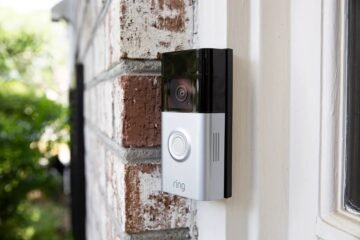
Ring Says New Encryption Limits What It Can Give Police
Ring is rolling out a new default encryption system called TAKE, or “Throw Away the Key Encryption,” that rotates video keys every five minutes and permanently deletes Ring’s copy after 24 hours. The system is Read more…