Under the E.P.A. proposal, most uses of TCE, including those in processing commercial and consumer products, would be prohibited within one year. For other uses the agency categorized as “limited,” such as use in electric vehicle batteries and the manufacturing of certain refrigerants, there would be a longer transition period and more stringent worker protections. The administration said that safer alternatives exist for most uses of TCE as a solvent. In a final evaluation this year, the E.P.A. said the chemical posed an “unreasonable risk to human health.” Short-term exposure could affect a developing fetus, and high concentrations can irritate the respiratory system, the agency said. Prolonged exposure has been associated with effects in the liver, kidneys, immune system and central nervous system, it said. “This is extremely important,” said Maria Doa, senior director for chemicals policy at the Environmental Defense Fund, a nonprofit advocacy organization. She said TCE “causes so many different harms at such low levels” that banning it would have widespread impacts. “It’s a long time coming,” she said.
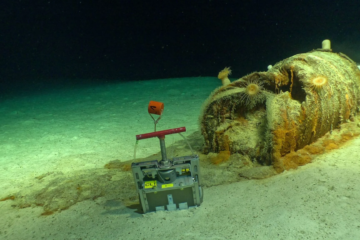
Whatever Happened to the 150,000 Tons of Radioactive Waste Stored Under the Atlantic Ocean?
More than 200,000 barrels of low-level radioactive waste were stored on the floor of the Atlantic Ocean between 1949 and 1982. Whatever happened to those barrels? Scientists have descended to the wreckage in a crewed Read more…