Participants were also asked specific VR-related questions (‘do you feel sick?’ or ‘are your eyes starting to hurt?’). The research team also monitored the worker’s heartbeats and typing speed. The published paper, entitled ‘Quantifying the Effects of Working in VR for One Week’ found “concerning levels of simulator sickness, below average usability ratings and two participants dropped out on the first day using VR, due to migraine, nausea and anxiety.” The study found that, as expected, VR results in significantly worse ratings across most measures. Each test subject scored their VR working experience versus working in a physical environment, many felt their task load had increased, on average by 35%. Frustration was by 42%, the ‘negative affect’ was up 11%, and anxiety rose by 19%. Mental wellbeing decreased by 20%., eye strain rose 48%, and VR ranked 36% lower on usability. Participants’ self-rated workflow went down by 14% and their perceived productivity dropped by 16%.
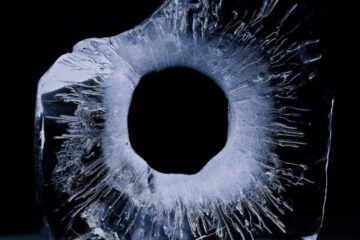
A New ‘Super Ice’ Is 10 Times Stronger, Bringing It Close to The Strength of Concrete
Researchers have created a strengthened “BioPykrete” by combining ice with cellulose nanocrystals and a custom protein that binds the plant-based crystals to the ice structure. In small-scale tests, the material was about 10 times stronger Read more…