The initial MARS platform will focus on “very large” energy sector sources. It’ll gradually expand to include less powerful sources, more frequent alerts and data from animals, coal, rice and waste. Partners in the program, such as the International Energy Agency and UN’s Climate and Clean Air Coalition, will provide help and advice. The information also won’t remain a secret, as the UN will make both data and analyses public between 45 to 75 days after it’s detected. The system will get its early funding from the US government, European Commission, Bezos Earth Fund and the Global Methane Hub. Both Bezos’ fund and GMH are backing related efforts, such as studies on spotting and counteracting agricultural methane emissions.
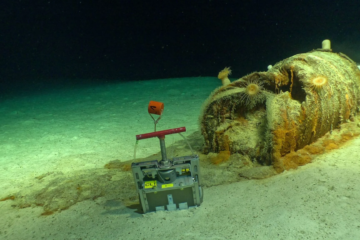
Whatever Happened to the 150,000 Tons of Radioactive Waste Stored Under the Atlantic Ocean?
More than 200,000 barrels of low-level radioactive waste were stored on the floor of the Atlantic Ocean between 1949 and 1982. Whatever happened to those barrels? Scientists have descended to the wreckage in a crewed Read more…